Guides
AC or DC? Choosing the right charger for your site
Fast is not always better. How dwell time, grid capacity and the vehicles you serve decide which charger belongs in your car park.
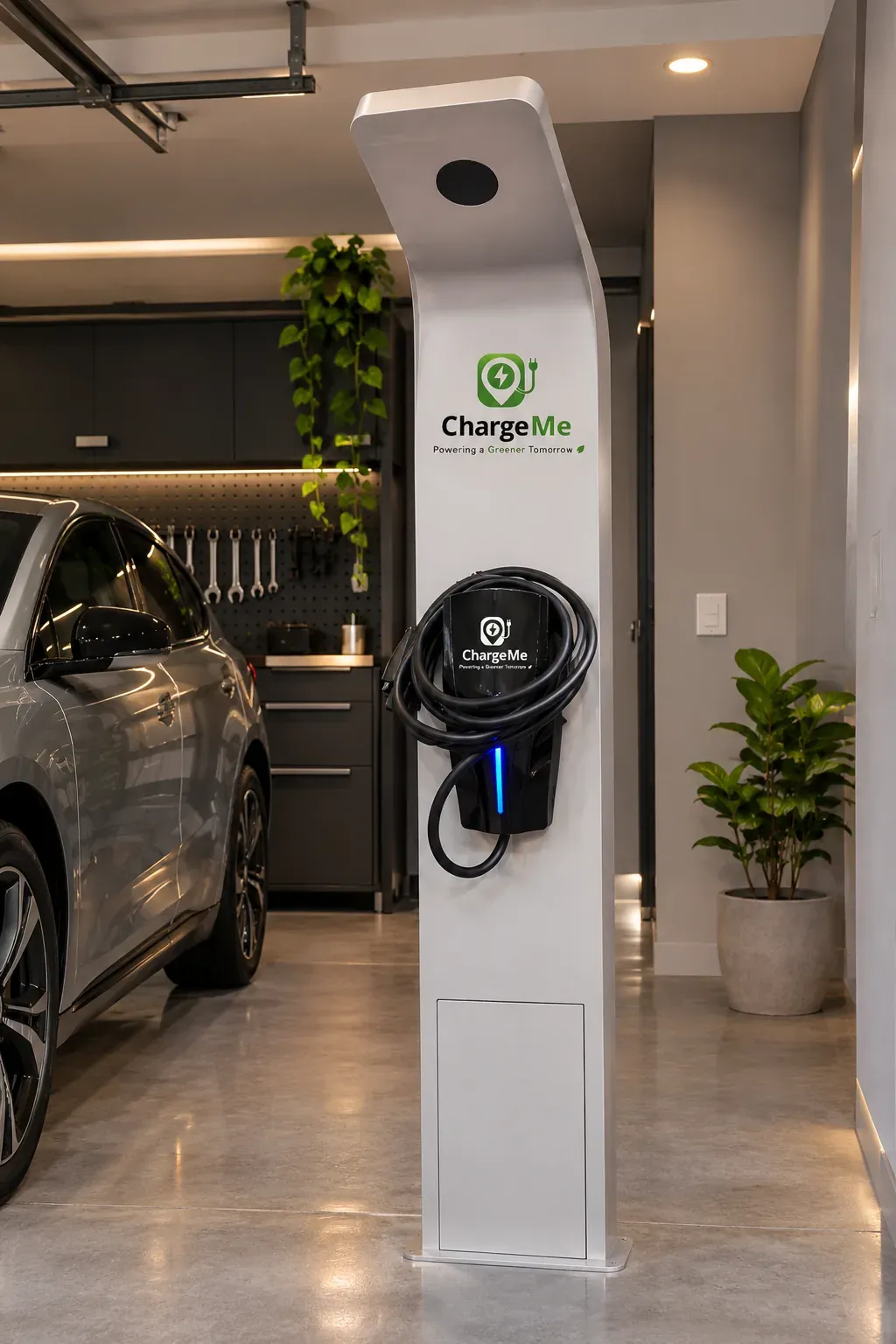
One of the first questions we hear from site owners is simple: should we install fast chargers? The honest answer is that it depends on how long people stay, what they drive, and how much electrical capacity your site already has.
Start with dwell time, not charging speed
The single most useful number for planning is how long a typical vehicle stays parked.
- Long stays (offices, campuses, hotels, residential buildings) suit AC charging. Cars are parked for hours anyway, so a lower-power charger delivers plenty of energy at a lower installation cost.
- Short stays (filling stations, highway rest stops, quick-turnaround fleet depots) suit DC fast charging, where drivers want to add meaningful range in a short stop.
- Mixed sites (shopping malls, hospitals) often benefit from a combination: a few DC units for quick visits and more AC points for longer stays.
What AC and DC actually mean
Every EV battery stores energy as DC. With AC charging, the car’s on-board charger converts grid power, so the vehicle limits the speed. With DC charging, the conversion happens inside the charger itself, which is why DC units can deliver much higher power, and why they cost more and need more electrical capacity.
At ChargeMe we design from 7 kW AC up to high-power DC fast charging, selected by vehicle type, grid and usage profile.
Check your grid before you choose
Electrical capacity is often the real constraint. During a feasibility assessment we look at:
- Available capacity at your connection point
- Existing building loads and when they peak
- Expected utilisation of the chargers
- Whether smart load management or battery storage can avoid an expensive grid upgrade
Smart load management shares available power between chargers so the site never exceeds its limit. For many locations, that is the difference between a project that works and one that stalls.
Think about who is charging
Corporate and logistics fleets have predictable schedules and benefit from RFID access, driver accounts and central billing. Public visitors need simple QR-code payment and clear availability in an app. The hardware decision and the software decision go together.
The best charger is the one that matches how your site is actually used, not the biggest number on the spec sheet.
A quick rule of thumb
| Site type | Typical stay | Usually suits |
|---|---|---|
| Office, campus, residential | Several hours | AC |
| Hotel, resort | Overnight | AC |
| Shopping mall, hospital | A few hours | AC plus some DC |
| Filling station, highway stop | Minutes | DC fast |
| Fleet depot | Depends on schedule | AC overnight, DC for turnarounds |
Next step
Every ChargeMe project starts with a consultation and feasibility assessment covering parking layout, electrical capacity, expected utilisation and grid constraints. Send us your location and we’ll recommend a charger mix that makes sense for your site.